Tree Trimming and Pruning in Johns Creek, GA
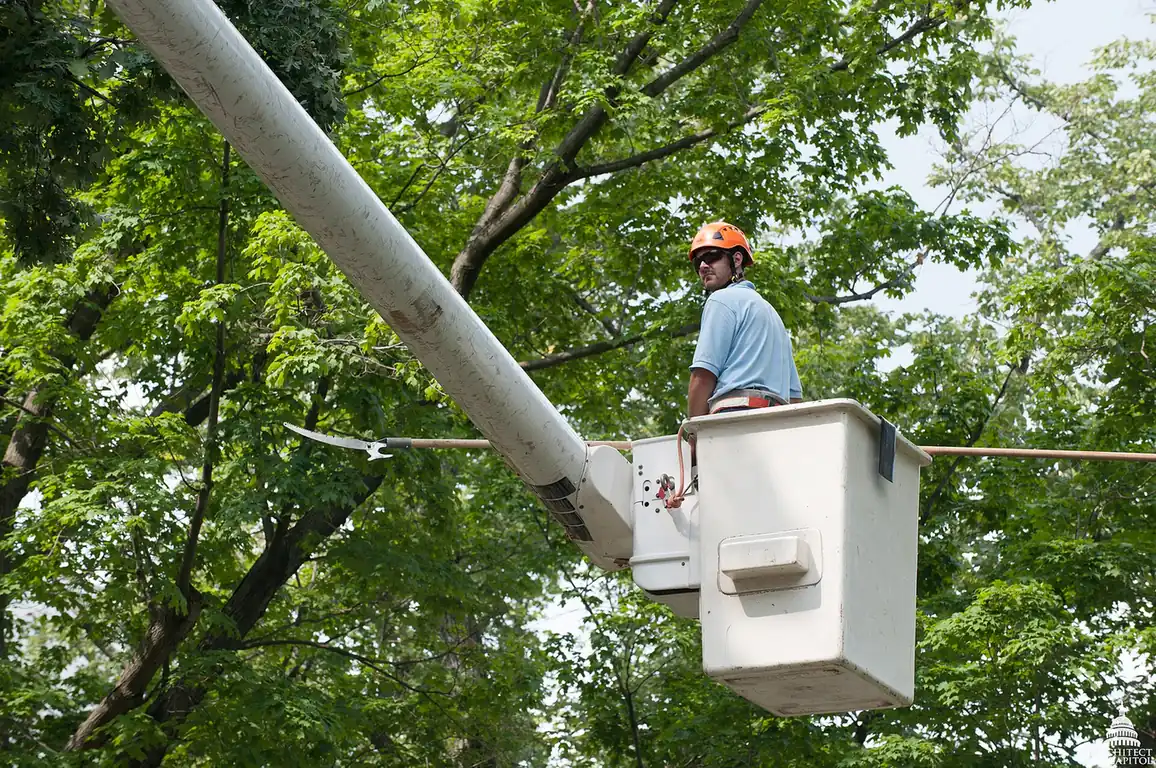
Deadwood out, weight off the long limbs, clearance back from the roof and the service drop. Cuts placed at the branch collar so the wound can close instead of rotting.
Pruning that does not hurt the tree
Because most of the bad pruning we see here was done by someone charging by the hour with no plan for the cut. Topping, flush cuts and stripped interiors leave wounds that never close. The ANSI A300 standard exists to stop exactly that, and we work to it.
Cuts at the collar
Never flush to the trunk. The collar is the tissue that seals the wound.
No topping. Ever
Topping creates weak regrowth and decay. It is the fastest way to ruin a tree.
A quarter of the crown, maximum
Taking more in one season starves the tree and forces stress growth.
Clearance work done properly
Roof, drive and service-drop clearance without gutting one side of the canopy.
The four pruning types in ANSI A300
| Pruning type | What it removes, and when it is the right call |
|---|---|
| Cleaning | Dead, dying, diseased and broken branches only. The lowest-risk work on any tree, and the usual answer for a mature oak over a driveway. |
| Thinning | Selective live branches to open the canopy for light and air movement, keeping the natural shape. Reduces sail area without topping. |
| Raising | Lower branches removed to give clearance under the canopy for the roof, the drive, a walkway or vehicles. |
| Reduction | Overall size cut back to a lateral large enough to take over as the new leader. This is the correct alternative to topping. |
How a trim job runs
You should know which limbs are coming off before anyone starts cutting.
Walk the tree with you
We point at the limbs, say which ones and why, and agree the target before the ropes go up.
Set the objective
Cleaning, thinning, raising or reduction. Naming it stops a trim quietly turning into a topping.
Climb and cut
Rope and saddle for most of this work. Cuts placed outside the collar, larger limbs taken in stages so nothing tears the bark on the way down.
Clean up
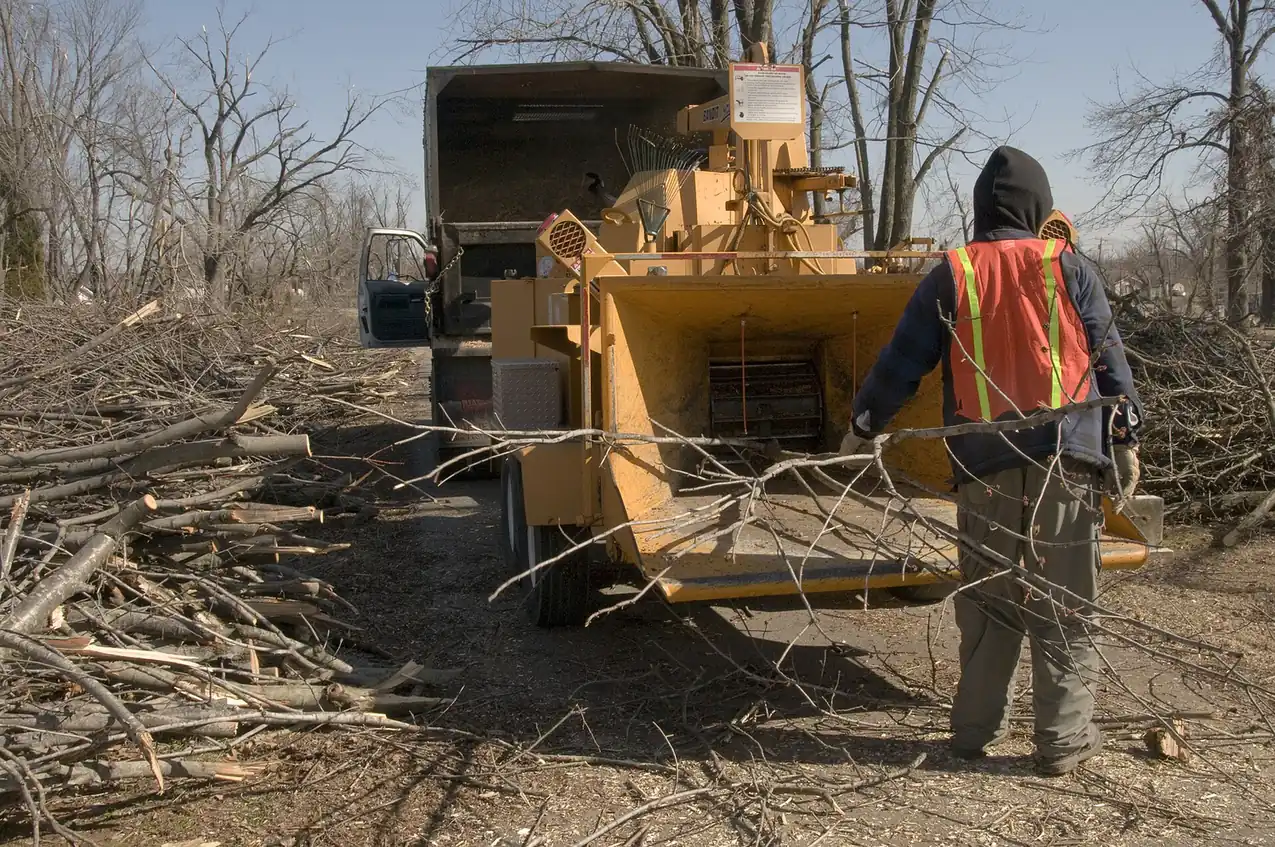
Brush chipped on site, cuttings hauled, beds and lawn raked back out.
When to prune, and when to leave it alone, in north Fulton
Timing here is not the same as further north. Johns Creek sits in USDA zone 8a with a long growing season, so the dormant window for structural pruning on hardwoods is late winter, roughly January into February, before bud break. Oaks in particular are better pruned cold, when the beetle activity that spreads oak wilt is at its lowest. Dead limbs are the exception and can come off in any month. Pines are less fussy about timing but far fussier about how much you take. We clean, thin, raise and reduce, and we do clearance work around roofs, drives and service drops.
- ✓ Deadwood removal
- ✓ Canopy thinning
- ✓ Roof and drive clearance
- ✓ Crown reduction
- ✓ Storm-damage cleanup cuts
- ✓ No topping
ANSI A300
The written standard for tree care operations. It is voluntary in Georgia. We follow it anyway.
ANSI Z133
The safety standard for arboricultural operations, covering rigging, climbing and working near conductors.
Written scope
Which limbs, which pruning type, what it costs. Agreed before the first cut, not after.
Debris hauled
Chipped and taken away. Burning yard debris is banned in Fulton County May through September.
The rest of what we do
Trimming often turns up something else. Here is the full list.
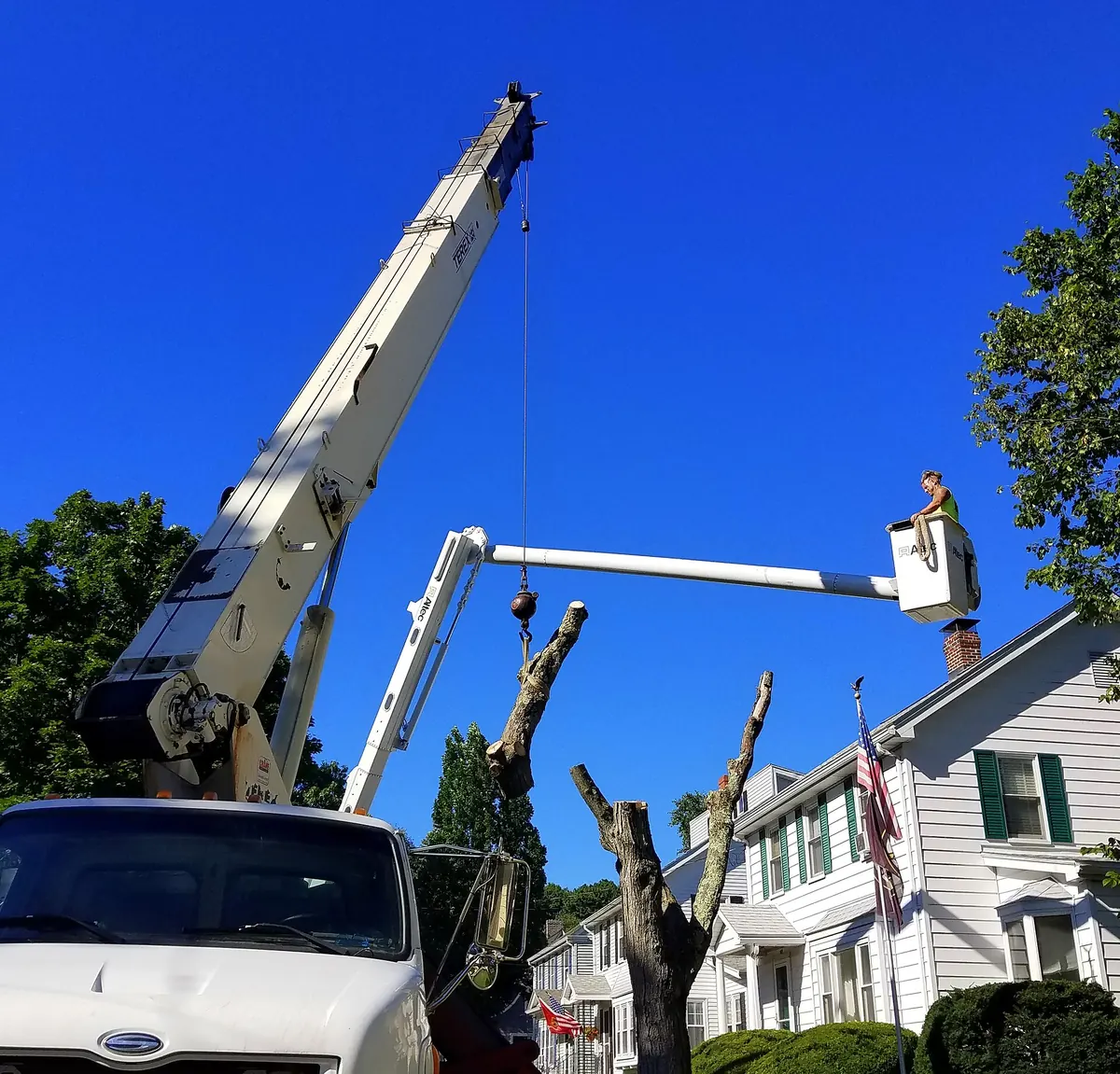
Tree Removal
Whole-tree takedowns, from a leaning pine over the driveway to a hollow oak beside the house. Sectioned down with ropes when the drop zone is tight.
Learn more →Tree Trimming & Pruning
Deadwood out, weight off the long limbs, clearance from the roof and the service drop. Cuts made at the collar so the wound can actually close.
Learn more →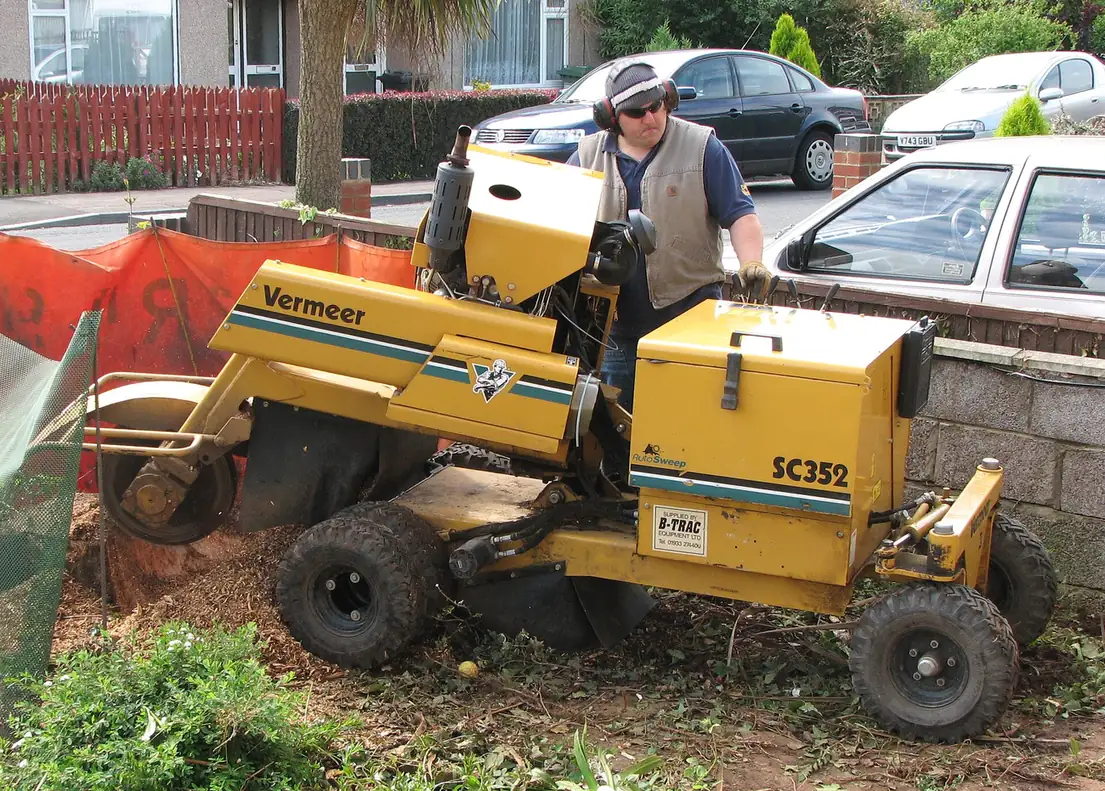
Stump Grinding & Removal
Ground out below grade so you can sod or replant over it. Grindings raked back in or hauled off, your call, and the surface flags marked first.
Learn more →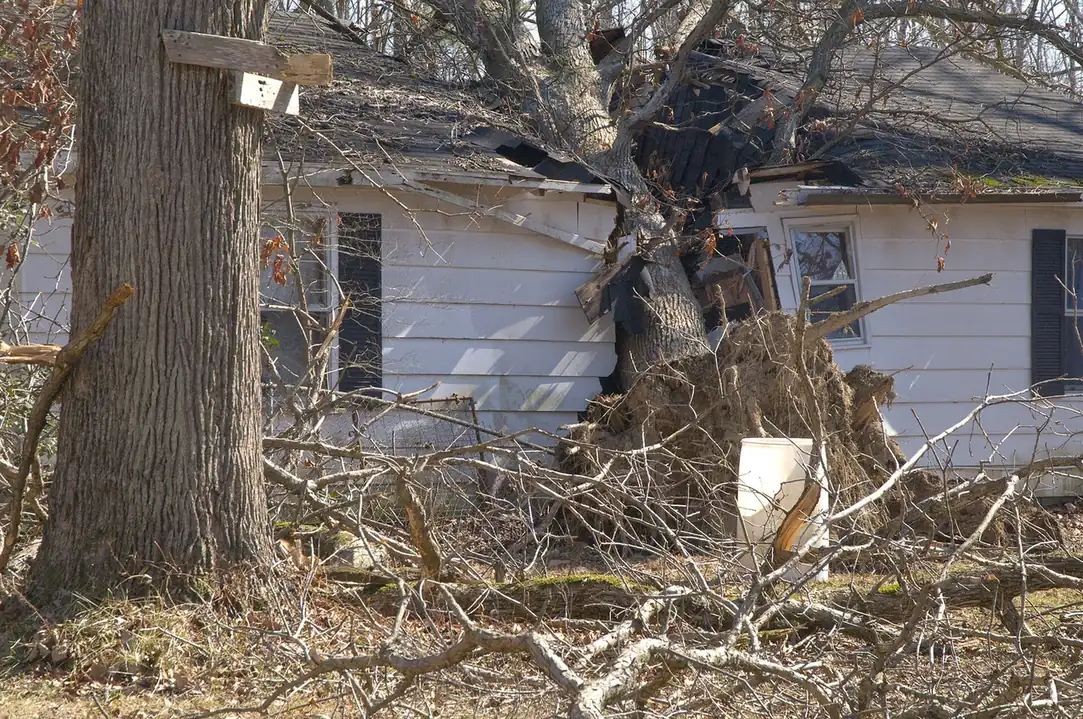
Emergency & Storm Damage
Trees on roofs, blocked drives, hangers left in the canopy after a thunderstorm. We stabilise first, then cut in the order that keeps load off.
Learn more →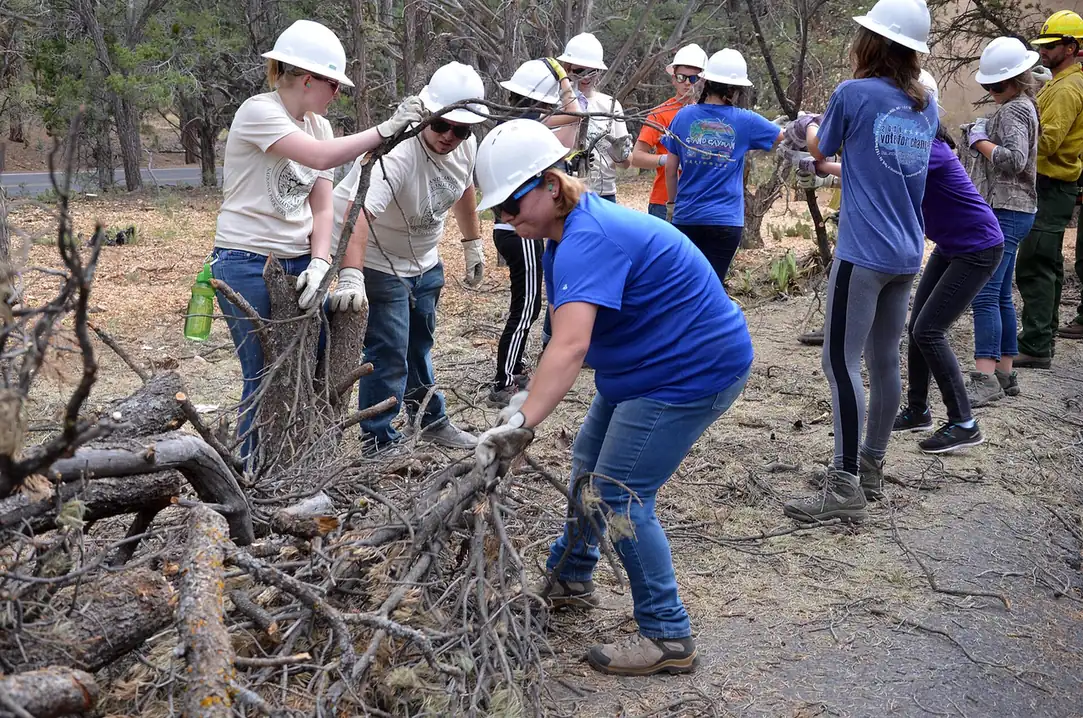
Land & Lot Clearing
Back-lot thinning, fence-line clearing and small-lot work, kept clear of the stream buffers and river corridor that cover a real slice of this city.
Learn more →Pruning across Johns Creek and the ring around it
We cover Johns Creek and out to Alpharetta, Roswell, Milton, Duluth, Suwanee, Peachtree Corners and Cumming. Scheduled trim work is easiest to book in late winter. Same written price across the whole ring.
About trimming and pruning here
Limbs on the roof? Book a look.
We will tell you what needs cutting and what is fine where it is.