
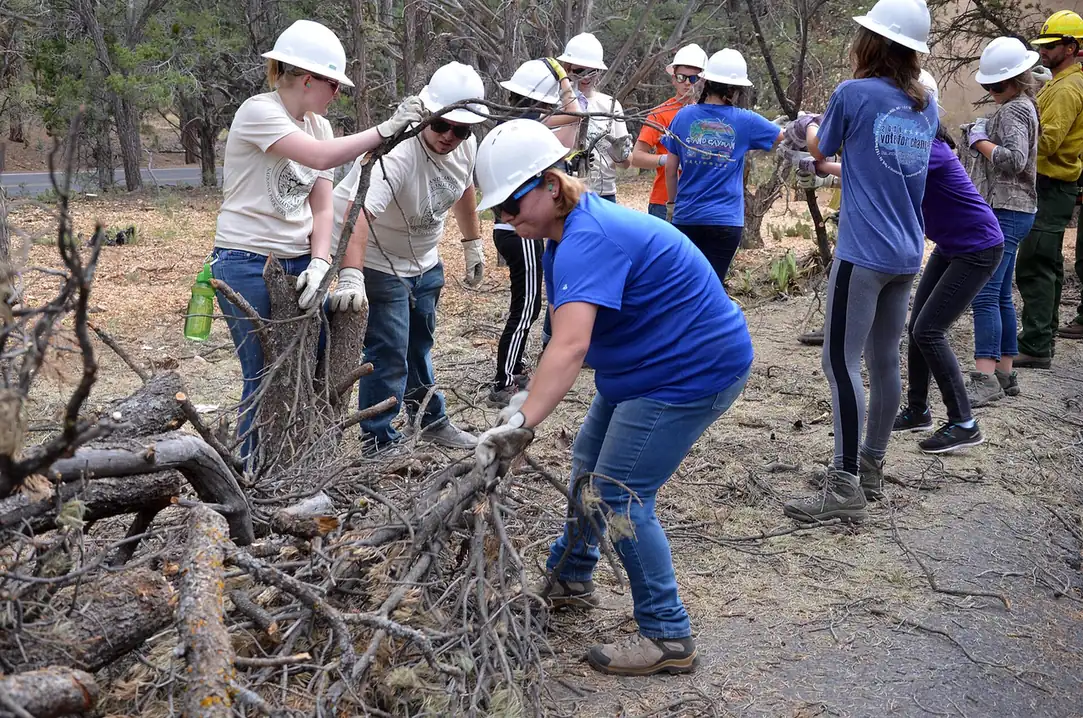
Land and Lot Clearing in Johns Creek, GA
Back-lot thinning, fence-line clearing and small-lot work, kept clear of the buffers and the river corridor that cover a genuine slice of this city.
We check the map before we clear anything
Because clearing is where the rules actually bite here. Taking one declining pine off a developed lot needs no permit now. Clearing a strip of that same lot can cross a stream buffer, a zoning buffer or the River Corridor, and that starts with a stop-work order.
Plat and zoning read first
Buffers and landscape strips show up in the zoning conditions and on the final plat.
Boundaries marked before cutting
What stays gets flagged. Nobody works out the line with a saw already running.
Selective, not scraped
Keeping the good canopy is usually worth more than clearing everything flat.
Debris hauled, never burned
Fulton County sits inside the state summer burning ban. Hauling is priced in.
The lines you cannot cut across in Johns Creek
Removal rules loosened in July 2025. The protected zones did not move at all, and clearing is exactly the work that runs into them.
- Stream buffers25 feet of state buffer plus the city's own 50 feet of undisturbed vegetation along protected streams. No living tree comes out of one. A dead tree needs a written arborist report, the stump stays, and only hand tools are allowed.
- The River CorridorEverything within 2,000 feet of the Chattahoochee's banks, under the state Metropolitan River Protection Act. Johns Creek is bounded on the south by the river.
- Zoning buffersThe undisturbed screening strip between your use and the one next door. Healthy trees cannot be removed, and clearing the undergrowth is prohibited without approval.
- Landscape stripsRequired planted strips along rights-of-way and property lines. Same rule: no healthy trees out without permission, and replanting to meet the coverage requirement.
- Tree density still appliesAny work needing a land disturbance or building permit carries a minimum density requirement, calculated at 20 units per acre for single-family residential.
How a clearing job gets planned
The cutting is the easy part. The first two steps are the job.
Read the lot
Plat, zoning conditions and any recorded buffers. We find out what is protected before we tell you what is possible.
Mark what stays
Boundaries flagged on the ground, specimen trees identified, buffer edges walked with you so there is no argument later.
Clear selectively
Undergrowth and small stems out, good canopy kept where it earns its place. Stumps ground or left, depending what the ground is for.
Haul and tidy
Brush chipped and removed, usable wood stacked if you want it, ground raked back to something you can actually walk on.
Which clearing method suits the lot
Not all clearing is the same job. What the ground is going to be used for decides the method, and the method decides the price.
| Method | Best for | Leaves behind | Soil impact | Buffer safe? |
|---|---|---|---|---|
| Hand clearing | Steep ground, buffer edges, small areas near a stream | Cut stems, stumps in place | Minimal | Yes, where permitted at all |
| Selective thinning | Keeping mature canopy, opening a wooded back lot | The best trees, cleaner understory | Low | Only outside protected zones |
| Brush mowing | Overgrown fence lines, briar and sapling regrowth | Mulched surface, no stumps removed | Low to moderate | Outside buffers only |
| Grub and grade | Building pad, driveway, anything needing bare soil | Bare ground, stumps out | High, needs erosion control | No |
| Fence-line clearing | Reclaiming a boundary that has grown in | A workable strip along the line | Low | Check the landscape strip first |
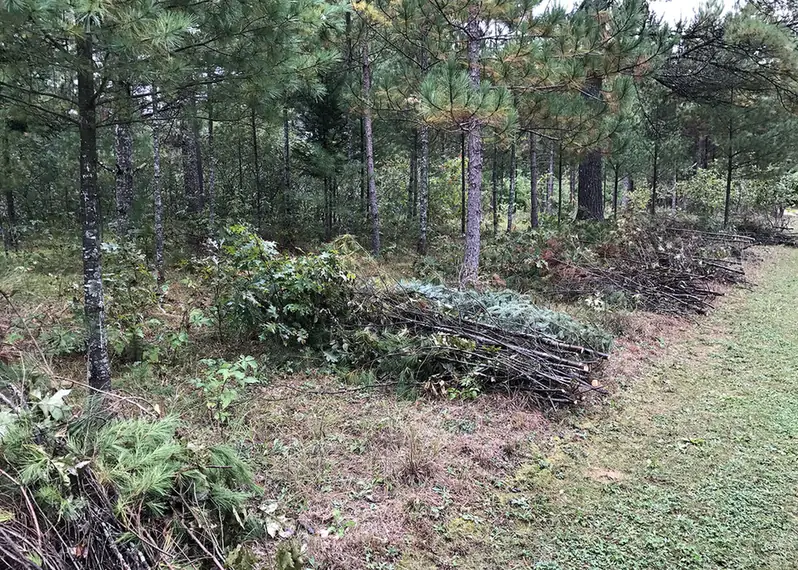
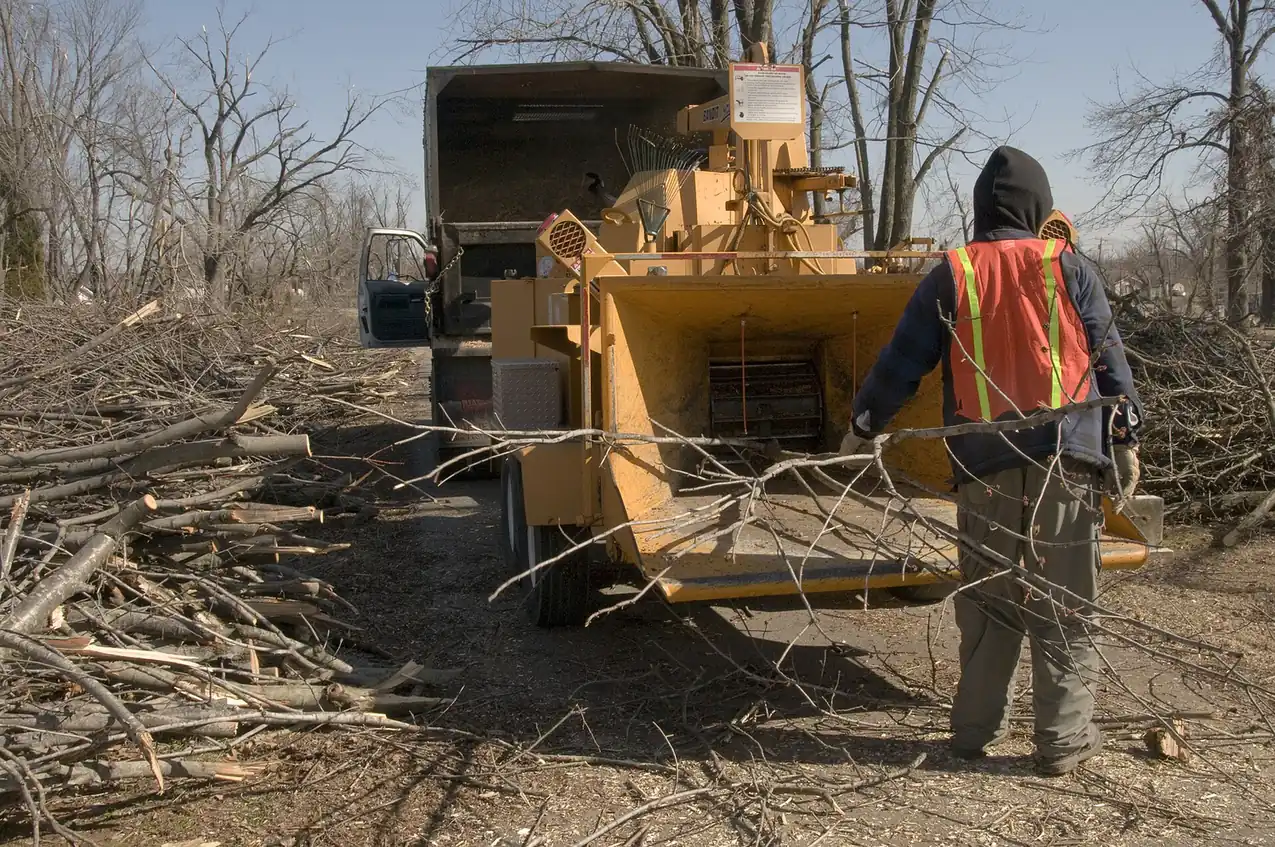
Why clearing is more constrained than people expect in Johns Creek
Geography, mostly. The city is bounded on its southern edge by the Chattahoochee, and the state's Metropolitan River Protection Act throws a protected corridor 2,000 feet back from each bank. Layer the creeks and their own buffers on top of that, then the zoning buffers written into the subdivision approvals, and a surprising number of back lots turn out to have a line running straight through them. Rivermont sits right against protected riverfront, and it is far from the only neighbourhood affected. Reading the plat first is cheaper than a stop-work order. We thin, clear fence lines, take out undergrowth and grind what is left behind.
- ✓ Selective thinning
- ✓ Fence-line clearing
- ✓ Undergrowth removal
- ✓ Buffer boundaries marked
- ✓ Debris hauled off
- ✓ Stump grinding available
The rest of what we do
Clearing usually comes with removals and stumps. Here is everything.
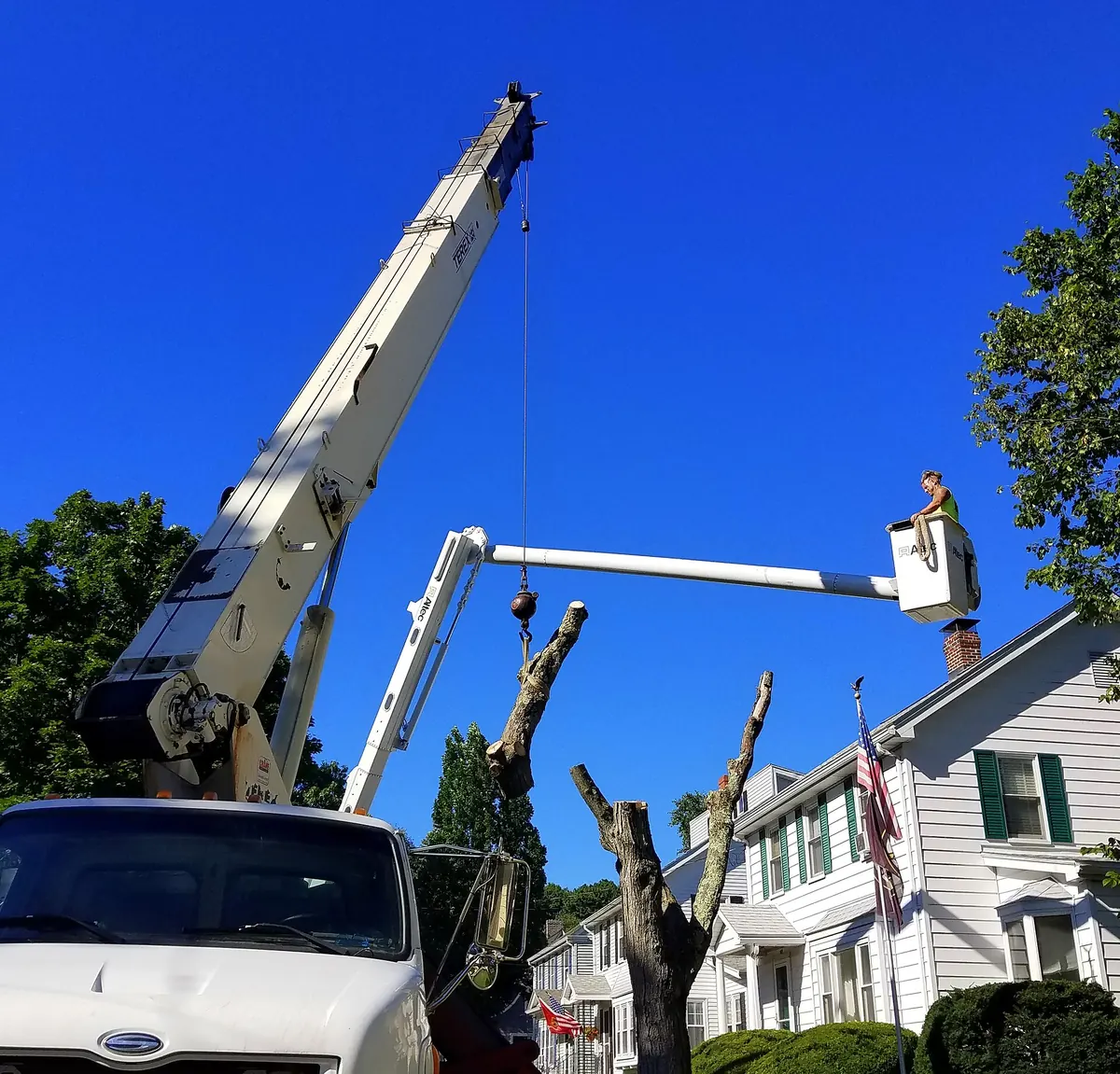
Tree Removal
Whole-tree takedowns, from a leaning pine over the driveway to a hollow oak beside the house. Sectioned down with ropes when the drop zone is tight.
Learn more →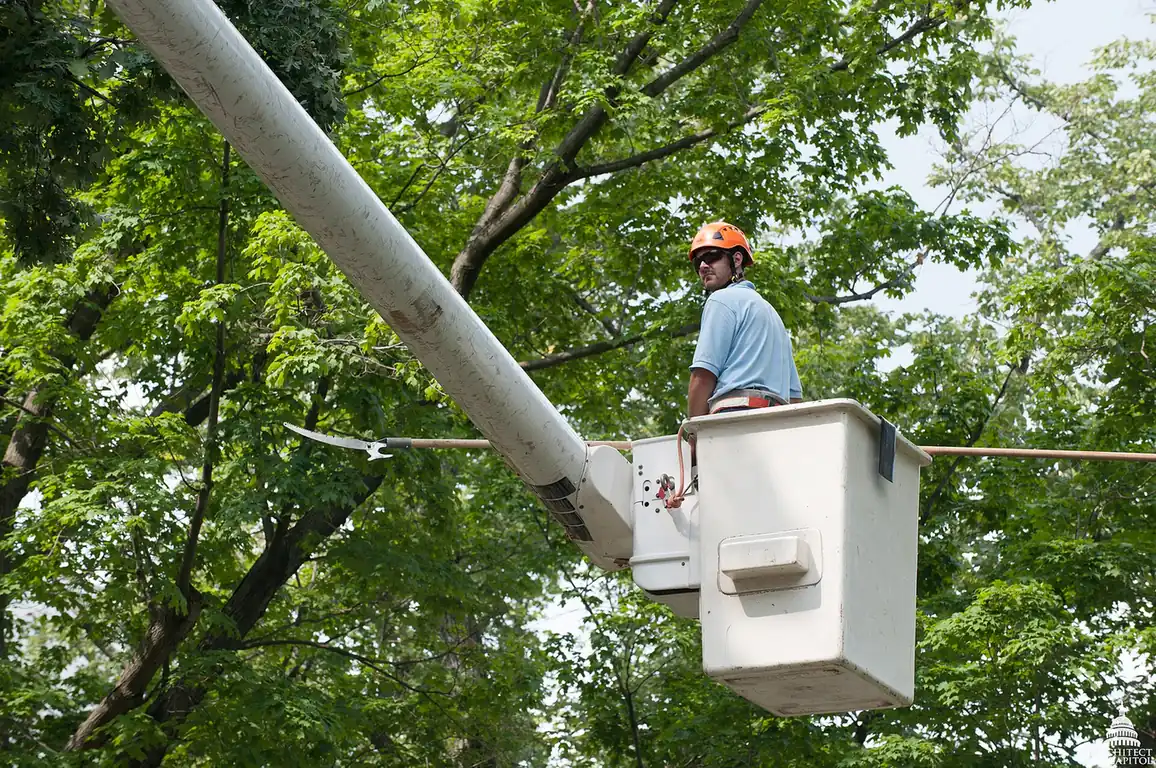
Tree Trimming & Pruning
Deadwood out, weight off the long limbs, clearance from the roof and the service drop. Cuts made at the collar so the wound can actually close.
Learn more →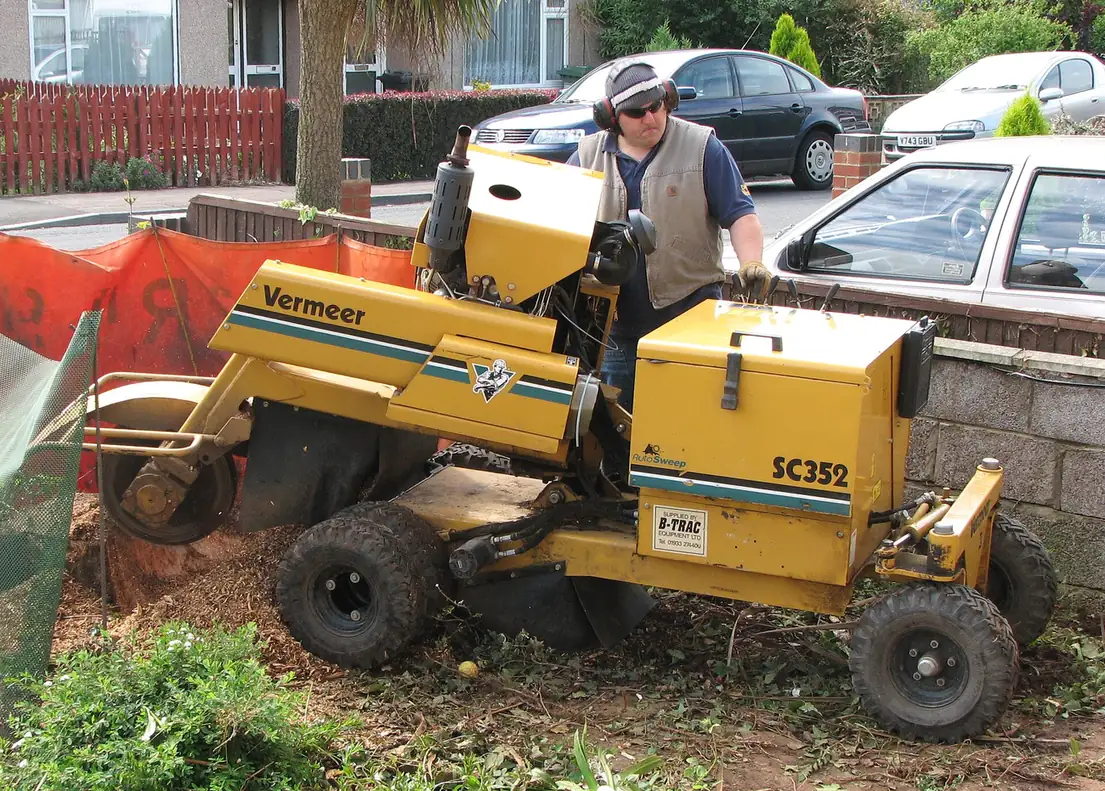
Stump Grinding & Removal
Ground out below grade so you can sod or replant over it. Grindings raked back in or hauled off, your call, and the surface flags marked first.
Learn more →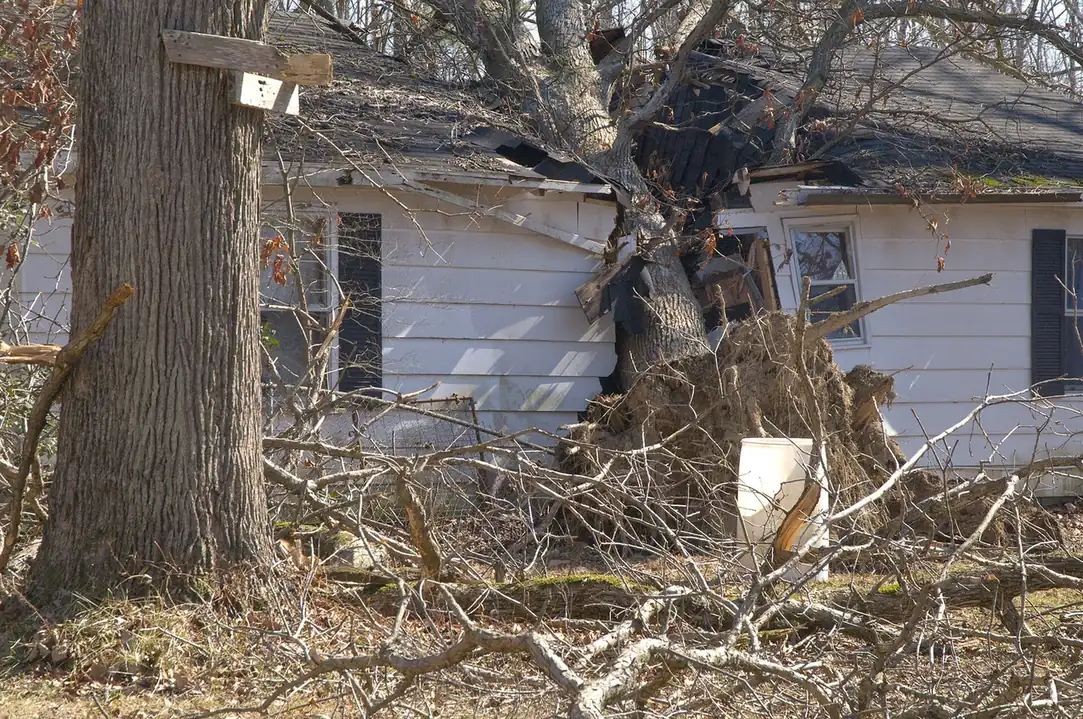
Emergency & Storm Damage
Trees on roofs, blocked drives, hangers left in the canopy after a thunderstorm. We stabilise first, then cut in the order that keeps load off.
Learn more →Land & Lot Clearing
Back-lot thinning, fence-line clearing and small-lot work, kept clear of the stream buffers and river corridor that cover a real slice of this city.
Learn more →Clearing across north Fulton and the county line
Johns Creek, Alpharetta, Roswell, Milton, Duluth, Suwanee, Peachtree Corners and Cumming. Rules change at every city line in metro Atlanta, so we check the ordinance for the city the lot is actually in.
About clearing lots in Johns Creek
Got a lot that has grown in? We will walk it with you.
Bring the plat if you have it. We will show you where the lines are.